St. Kitts: More Than Just Radio — Beaches, Monkeys, and Island Magic
Hey folks,
I wanted to write this one separate from the POTA activations, because St. Kitts is simply amazing and the radio side only tells half the story. If the activation post got you curious, this one's for the pure travel side — the stuff that makes you want to book a ticket.
First Impressions: That Volcano
The first thing that grabs you on the approach to St. Kitts is Mount Liamuiga. The volcano rises 3,793 feet above the sea — the highest peak in the British Leeward Islands. It's tall enough to make its own weather, pulling in rain clouds so the island gets around 45 inches of rain a year, and twice that on the forested slopes. All that water is why St. Kitts feels so green next to some of the drier islands nearby.
We didn't make it up to the crater lake this trip — it's a solid, challenging hike — but it's high on the list for next time.
Where We Stayed
We stayed in a lovely home in Calypso Bay, a quiet, beautiful community with an infinity pool that looks out over the sea from the southern side of the island — perfect for just sitting and watching the water after a day of exploring. And if you want a nice dinner without getting back in the car, Marshall's is a short walk away.
Beaches That Spoil You
St. Kitts has some of the best beaches in the Caribbean, and a couple really stuck with us.
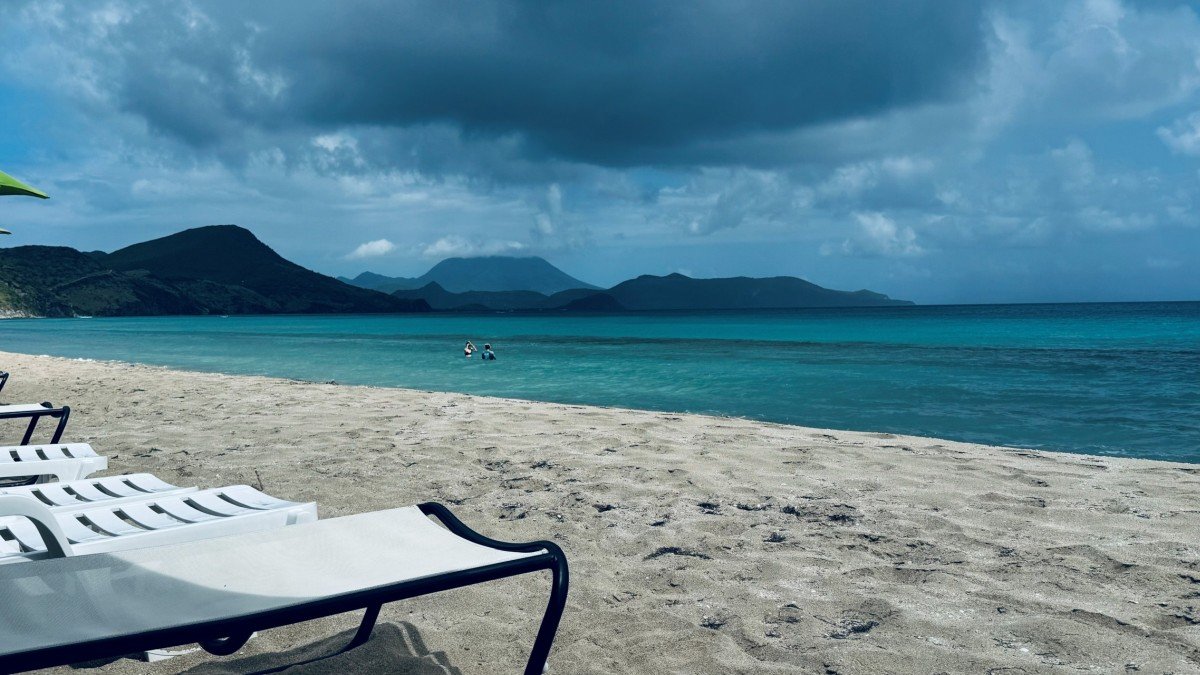
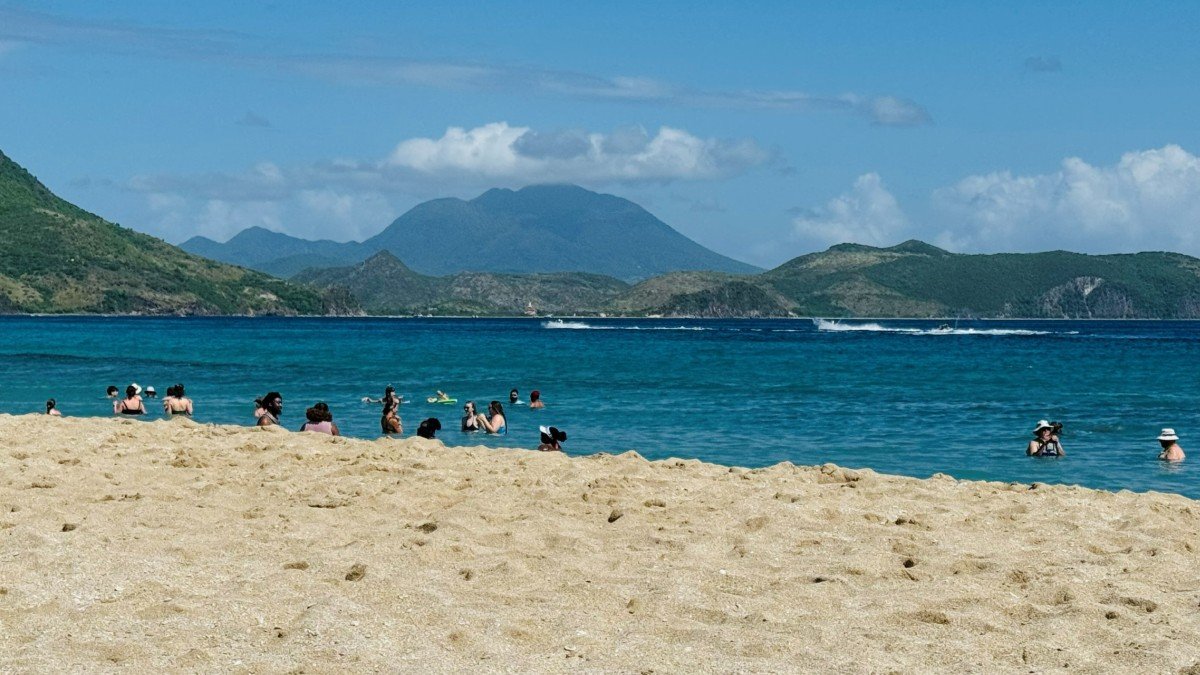
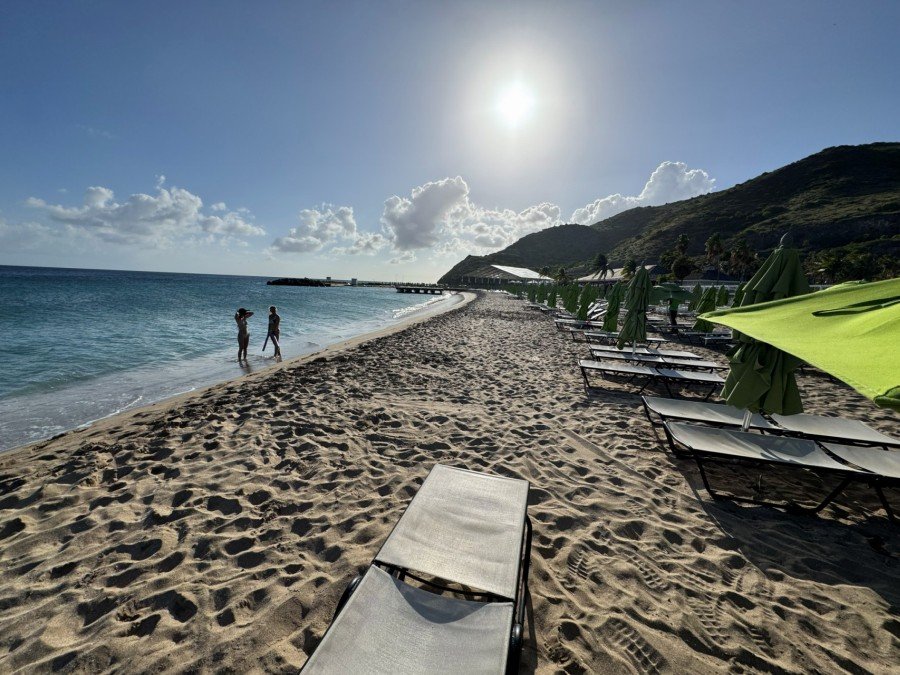
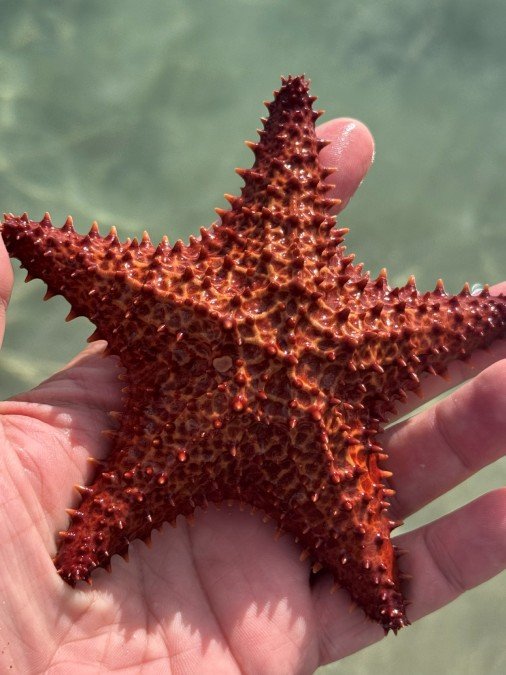
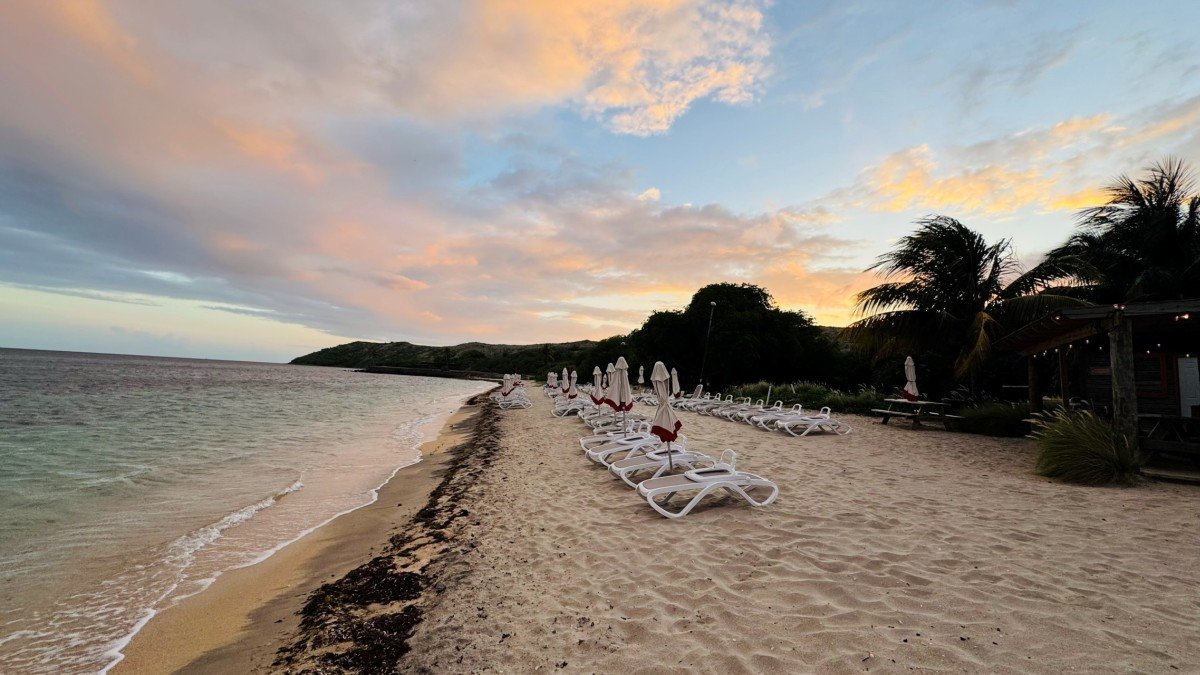
Our favorite was South Friars Bay, specifically the stretch at the Carambola Beach Club. It's a public beach, so you can just show up and rent a chair. The real magic is the reef sitting only yards from shore — walk out with a mask and snorkel, float over the coral, and you'll see beautiful fish, sea urchins, and whatever else is hanging around down there. No boat, no tour, no hassle. Just easy, gorgeous snorkeling.
The other one you shouldn't miss is Reggae Beach at Cockleshell Bay, on the southern tip. This whole area has some excellent places to eat — the two that stood out to us were The Great House (at the Park Hyatt) and Spice Mill. Put both on your list. The pier at Reggae Beach is also where you catch the ferry over to Nevis.
A Day on Nevis (and Why to Plan Better Than We Did)
We didn't have a real plan for Nevis — just hopped the ferry on a whim. Looking back, Nevis deserves a lot more intentional time. We got lucky. Our ferry captain knew a taxi driver, called him while we were still on the water, and the guy was free. For a very reasonable $100 he gave us a fantastic, informative tour of the whole island.
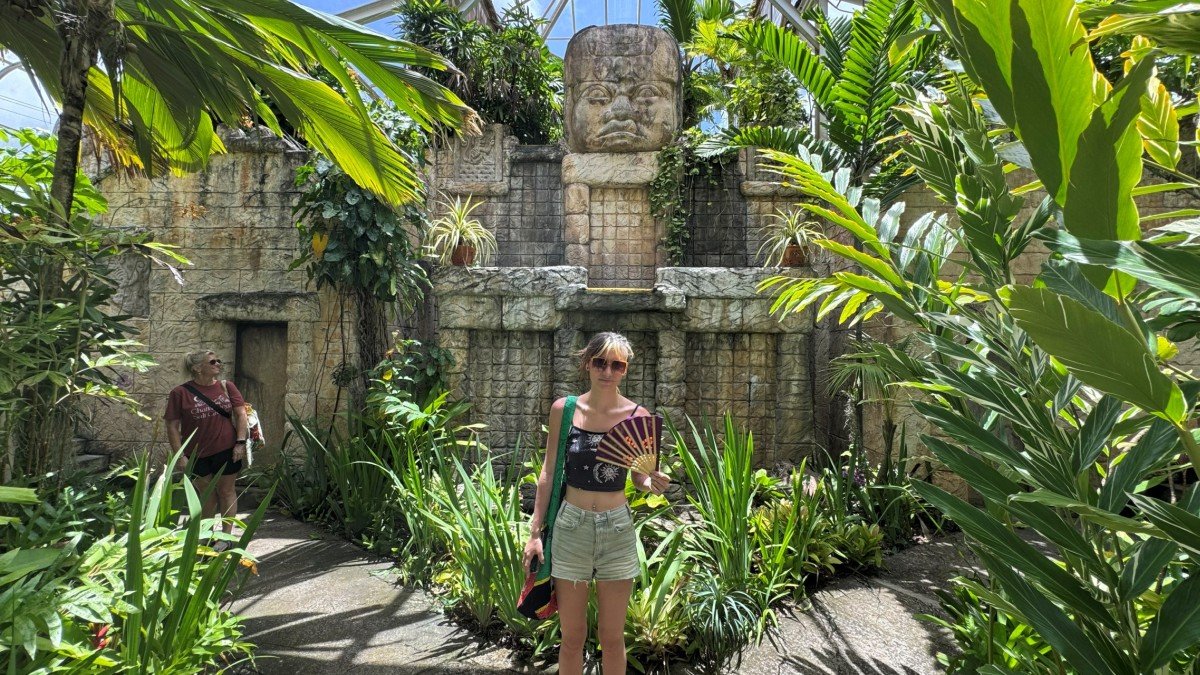
We walked the botanical garden, made several history stops (including Montpelier Plantation and a really good visit to the Alexander Hamilton Museum), and got the full story of the island as we went. The highlight was Sunshine's Bar & Grill — the place where all the celebrities end up, walls covered with photos of the famous folks who've stopped by. Our guide dropped us there and left us for four full hours to just soak up the beach, the food, and the atmosphere, then came right back and finished the tour with more stops and history.
If you go, give Nevis its own day. Maybe two. It's worth it.
Food & Coffee
I've mentioned a few dinner spots, but breakfast and coffee matter too. The one we came back to almost every morning is the Coffee Shop at the Frigate Bay traffic circle — same spot as the more visible SOHO Lounge. Nice atmosphere, great coffee, and a solid lineup of breakfast sandwiches and pastries. Easy win.
Frigate Bay Beach itself is lined with restaurants — just park and walk until something looks good. Special shout-out to Boozies on the Beach; the night we were there it had a fun, lively feel with live music. Nearby is the Marriott Resort, and even if you're not staying there you can buy a day pass and enjoy the huge pool complex and beautiful beach. Totally worth it for a lazy afternoon.
Places You Shouldn't Skip
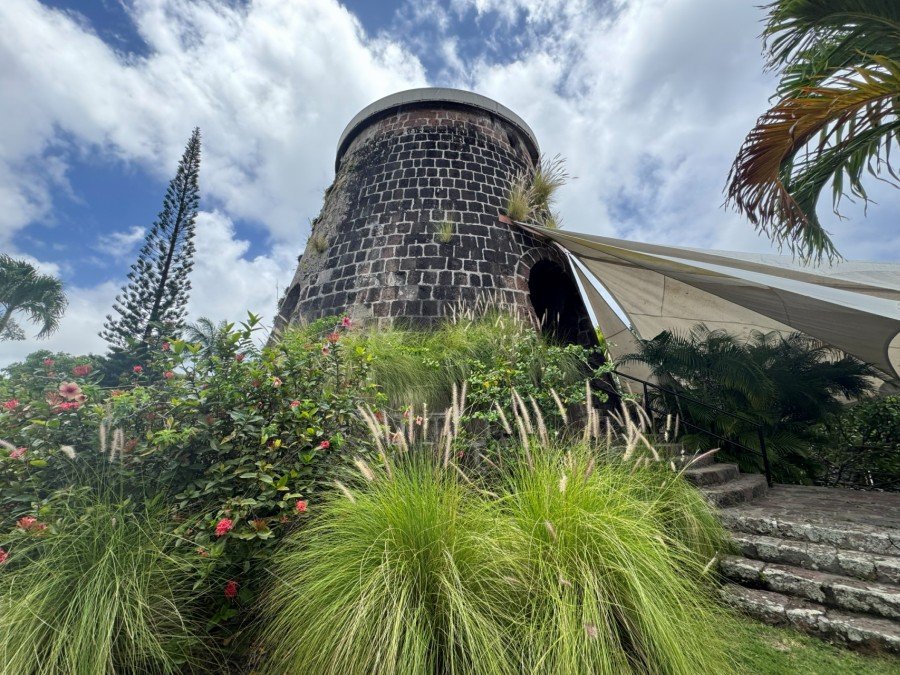
Romney Manor is a must. It's one of the few largely intact sugar estates left on the island, and there's a reason it survived. In 1834, the Earl of Romney freed the people enslaved there outright — the first estate on St. Kitts to do so — instead of forcing them through the years of "apprenticeship" other planters used to hang on to their labor. When emancipation came, the first thing many estates lost was the bell tower that had regimented the enslaved workday. Romney's people had less reason to tear his down, which is why it's the only one left standing largely intact. Today the grounds are a beautiful botanical garden — wander, soak up the history, take some gorgeous photos.
It's also home to Caribelle Batik — authentic, handmade batik clothing and textiles, not the mass-produced stuff. There's a shop right there, and another at Port Zante. If you head to the port, make sure you hit the real Caribelle Batik and not the knockoff shop nearby.
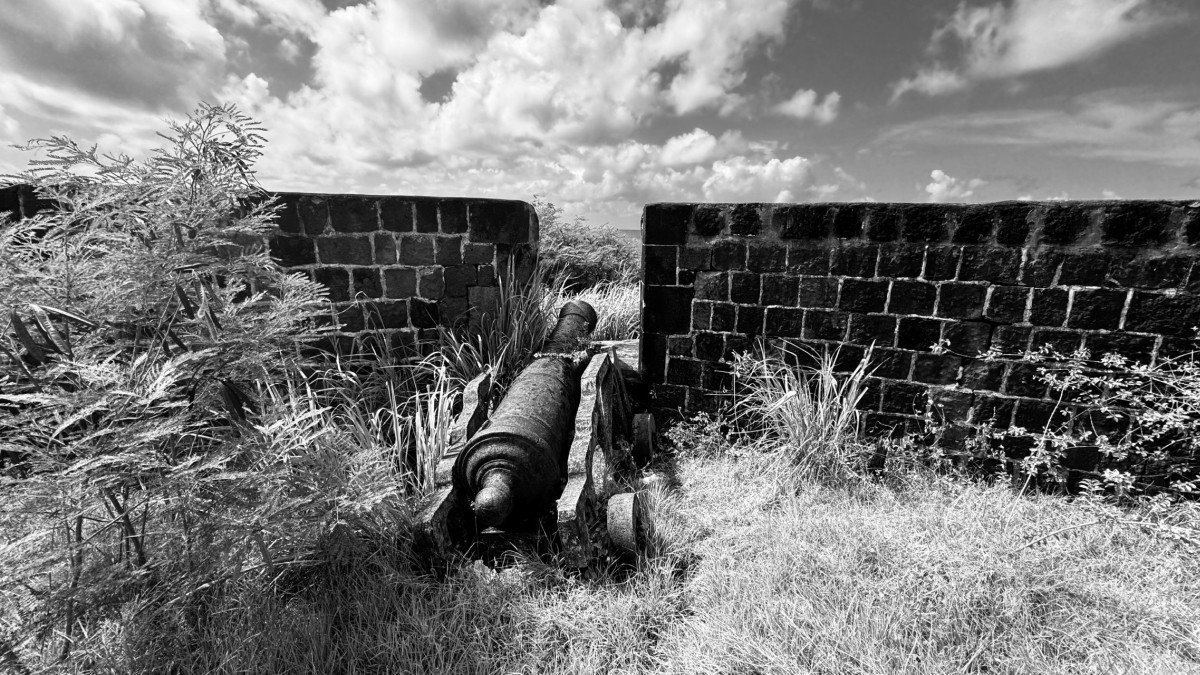
Brimstone Hill Fortress is the other history stop you shouldn't skip — I wrote about it from the operating side over in the POTA post, but it earns a spot here too. The British spent the better part of a century, from the 1690s to the 1790s, building this thing 800 feet up a steep volcanic hill. It's so imposing they called it the "Gibraltar of the West Indies," and today it's a UNESCO World Heritage Site — one of the best-preserved forts anywhere in the Americas. Give yourself time to walk the bastions and cannon batteries, but honestly the view is the thing: from up top you're looking out over the coast and, on a clear day, across to the neighboring islands. Well worth the drive up, and only $15 per car to enter.
Timothy Hill is the big pull-over spot on the main road heading south toward Frigate Bay. Every cruise-ship tour stops here for the panoramic view of the bays and the volcanic mountains beyond. You'll often find locals with young green vervet monkeys ready for paid photos.
The Animals
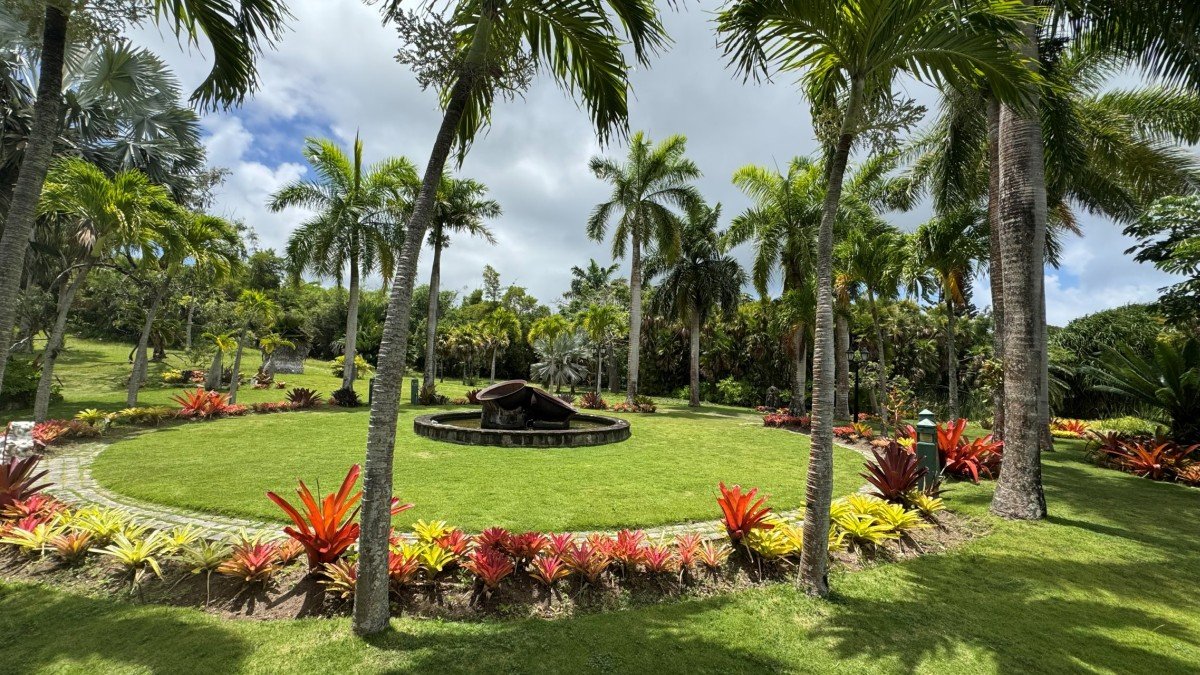
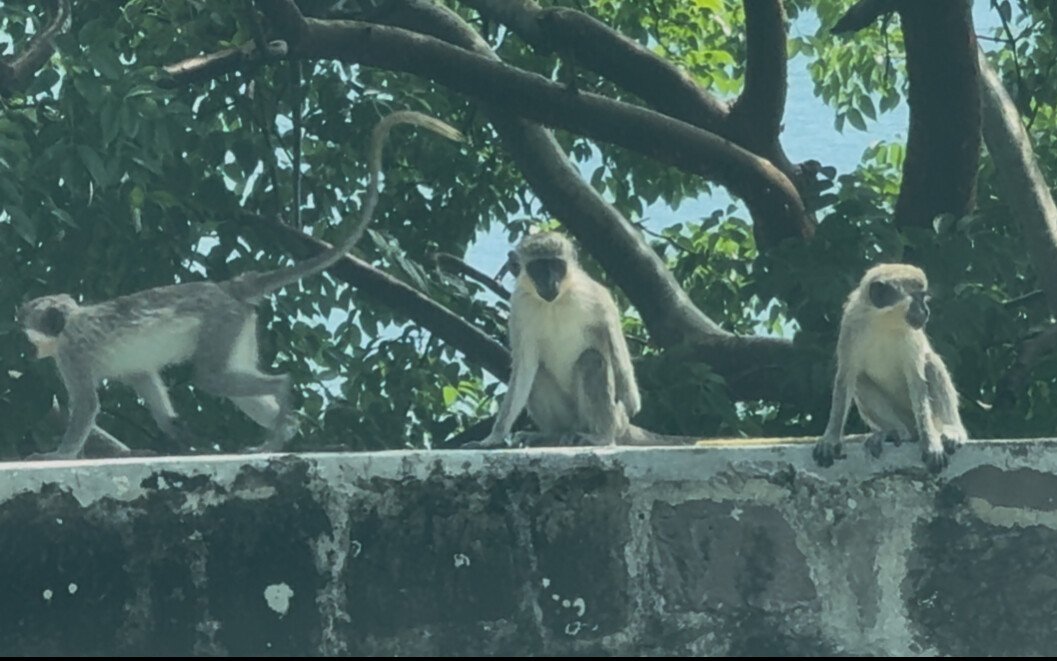
St. Kitts is full of life. Flowering plants, bushes, and trees are everywhere — it really does feel like a tropical paradise. The island is also run, more or less, by African green vervet monkeys. They're not native, but they've taken to the climate so well that local farmers now treat them as pests. You'll see them constantly, and they're endlessly entertaining.
You'll almost certainly run into mongooses too. They keep the rodent population in check, and thanks to them the island has very few snakes — and none venomous.
There are also quite a few feral (but generally friendly) house cats. Ross University School of Veterinary Medicine runs active TNR programs and ear-tips the cats, and locals put food out for them, so they're well-fed and pitching in on rodent control too.
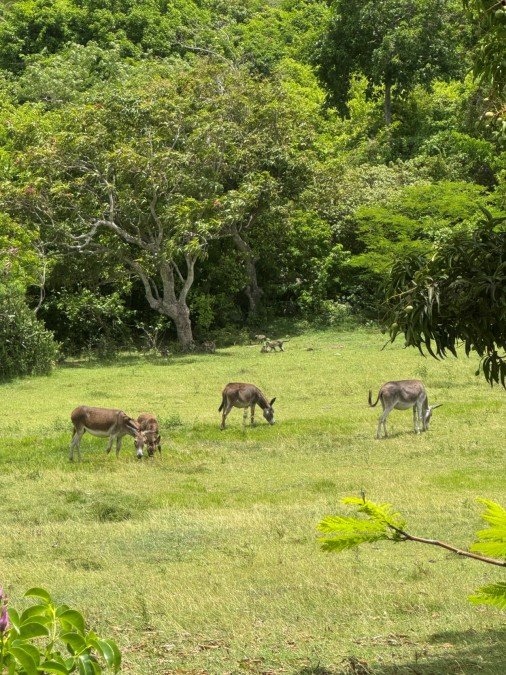
The animals that surprised me most were the wild donkeys. We spotted them grazing in a field on Nevis during our tour, hanging out with a troop of vervet monkeys — just standing there like they owned the place.
Final Thoughts
This is the longest post I've written for the blog, and it still feels inadequate. St. Kitts has a special kind of magic — history, beaches, food, wildlife, and that easy Caribbean pace all rolled together. We left already talking about going back.
If this post nudges even one person to visit this remarkable little treasure, it was worth writing. Get there if you can. You won't regret it.
73,
W4IO (V4/W4IO)